Living by the rhythm of the Cameron Highlands
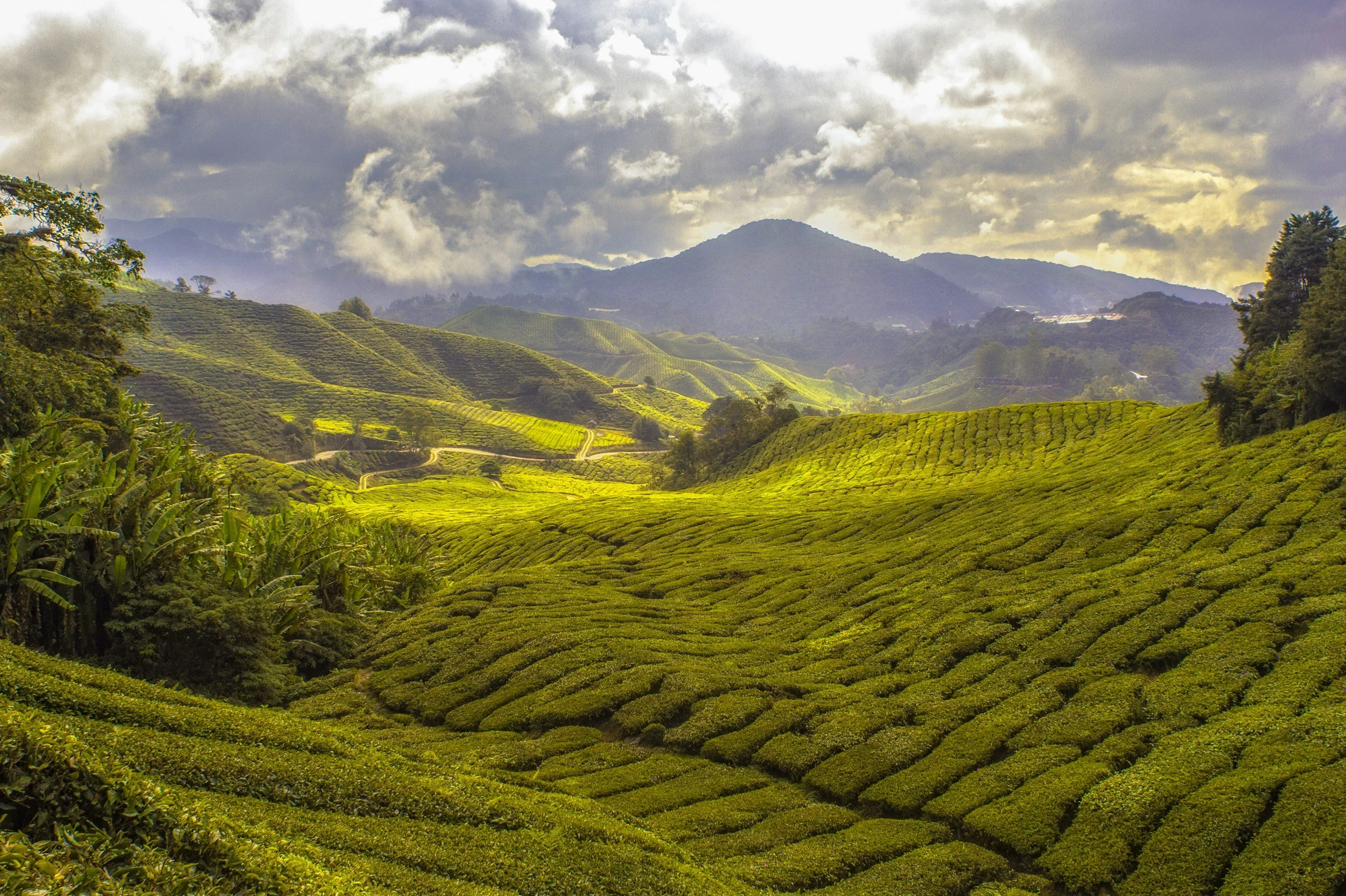
BOH tea plantation, the Cameron Highlands
In September 2019, I had been travelling for six months when I landed in Kuala Lumpur. I had spent the summer in Eastern Europe and Greece, moving through arid heat from May until August. After that, I went to Vietnam, where the humidity contrasted dramatically with the dry Greek weather. After two weeks there, I was in need of a cooler climate and a place to rest.
While on a night bus from Ha Long Bay to Hội An, I messaged a former colleague who had been to Malaysia and told her I needed somewhere different — somewhere cooler, quieter, somewhere I could recover.
She wrote back: “Go to the Cameron Highlands. You’ll enjoy it.”
Following her advice, I hopped on a bus in Kuala Lumpur to Tanah Rata, meaning “flat land” in Malay, though the town is still surrounded by hills and mountains. It sits at the heart of the Cameron Highlands, and when I arrived, the weather felt perfect. Grey clouds hung overhead, cool drizzle fell softly, and fresh air entered my lungs in great, grateful inhales. There is nothing more satisfying than taking a long breath of cool air after living in heat for too long. The weather reminded me of London in October.
Tanah Rata sits between misty mountain forests and tea plantations. As I made my way to what would become my home for the next month, I looked around the town. It reminded me of a French ski station: tall Tudor-style buildings left over from the colonial era, lush greenery, strawberry farms, and cafés serving English afternoon tea. In contrast to this European atmosphere, there was also a Taoist temple — a reminder of the Chinese settlers who came to Malaysia under British rule, and whose descendants still live there today.
In Tanah Rata, I bunked up in a hostel managed by young Malaysians, none of them more than thirty years old. The hostel also ran on young travellers exchanging work for accommodation. Having worked in hospitality before, this suited me perfectly. It was only four hours a day in exchange for a free bed.
And so I began living day by day in this pocket of peace. I met new people almost every day, ate the same naan and curry from the same place, and wandered around town enjoying the cool weather.
On my days off, I would visit the BOH tea plantations and admire the small hands picking tea leaves. The views were unbeatable. I hitchhiked there and back to Tanah Rata, sometimes riding in the back of a pick-up truck, holding on for dear life as it twisted around the mountain roads. The return journey was far more tumultuous than the way there. Only a few kilometres separated the town from the plantations, but on the way back I ended up being picked up by no fewer than five cars. Each one carried me only part of the way. After the third car, about five other travellers had joined me, all of us car-hopping our way back to Tanah Rata.
Hiking was also popular there, though I have never considered myself a hiker. One day, a British woman and I decided to take one of the trails through the forested mountains. A stray dog joined us, as if he had appointed himself our guide to the top and back into town. The path was arduous. In some sections, we had to climb up and down using ropes. Our four-legged friend became a comfort, waiting for us after each ascent and descent, patient and watchful. We named him Pan, short for panduan, meaning “guide” in Malay.
Many foreigners come to the Cameron Highlands not only for the beauty of its landscapes, but also in search of the majestic rafflesia. It is a gigantic flower, spread open on the rainforest floor like something ancient and strange. Its thick red petals are mottled with pale spots, like a starfish, a wound, and a forbidden jewel all at once. Though beautiful in appearance, seeing it comes at a price: the smell. Rafflesia is known for emitting the scent of rotting flesh. In English, it is sometimes called the stinking corpse lily.
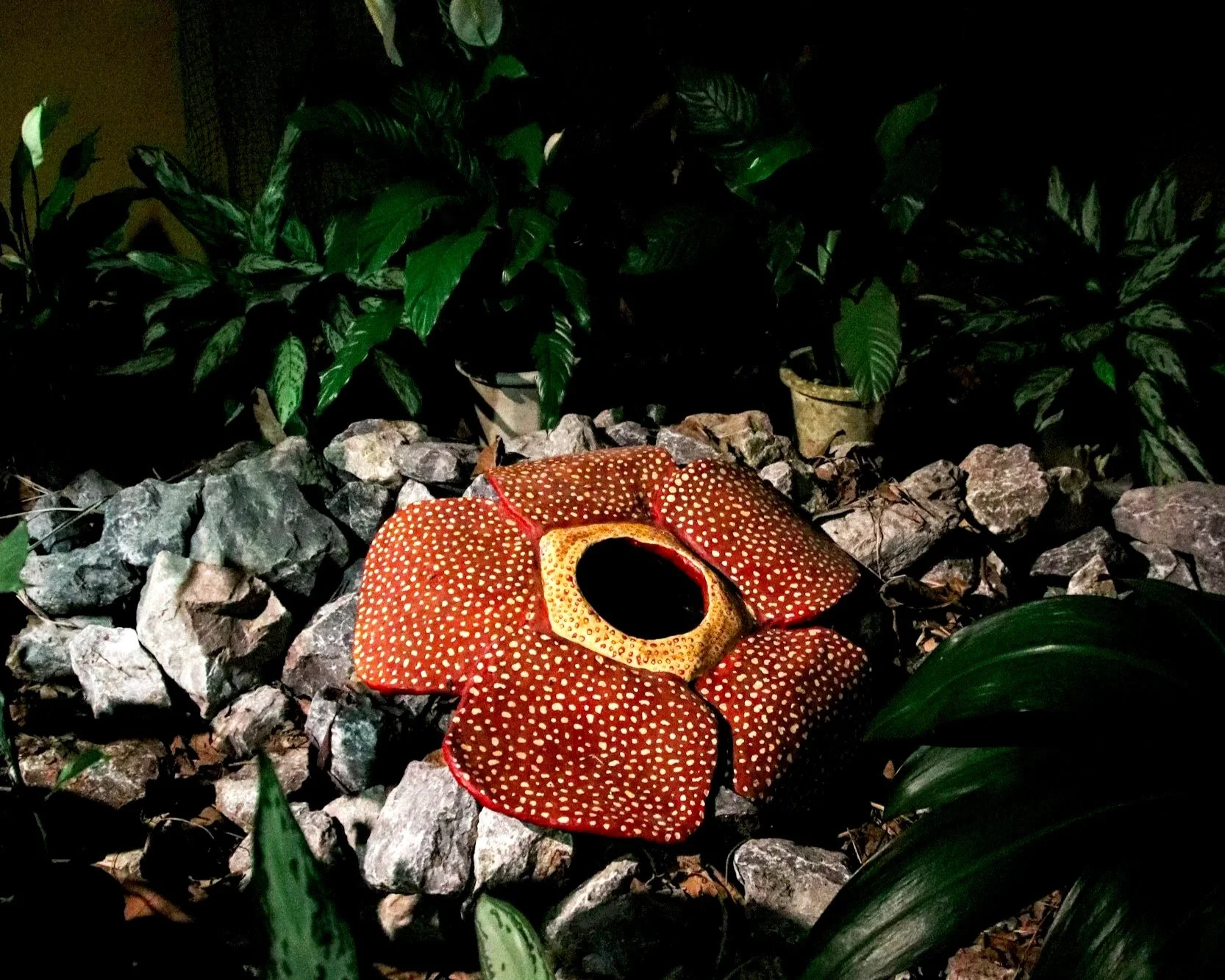
Rafflesia arnoldii or Giant Padma
We did not see the flower on our hike. Though I was disappointed, I was also relieved not to have experienced the smell of decay.
My favourite days were the ones when I did nothing at all but sit at the Cameron Valley Tea plantation, sipping fragrant Earl Grey and writing in my journal while looking out over the view.
Every day in the Cameron Highlands looked almost the same, but each one carried a small particularity of its own. I learned to appreciate discovery in small things: checking new people into the hostel and later sharing their company in town, car-hopping my way back from the tea plantations, or uncovering a hidden side of Malay culture.
I was happy there. Serene, even.
In Tanah Rata, life moved slowly enough for me to notice it. I will never forget that small window of peace the Cameron Highlands offered me. When I left Tanah Rata, I felt restored and recovered, but also quietly sad to leave behind the temporary family I had found there. People with whom I had lived, worked, eaten, wandered, and shared nearly a month of my life.
Some places are not remembered because of what you see, but because of what they allow you to become. In the Cameron Highlands, I became still again.
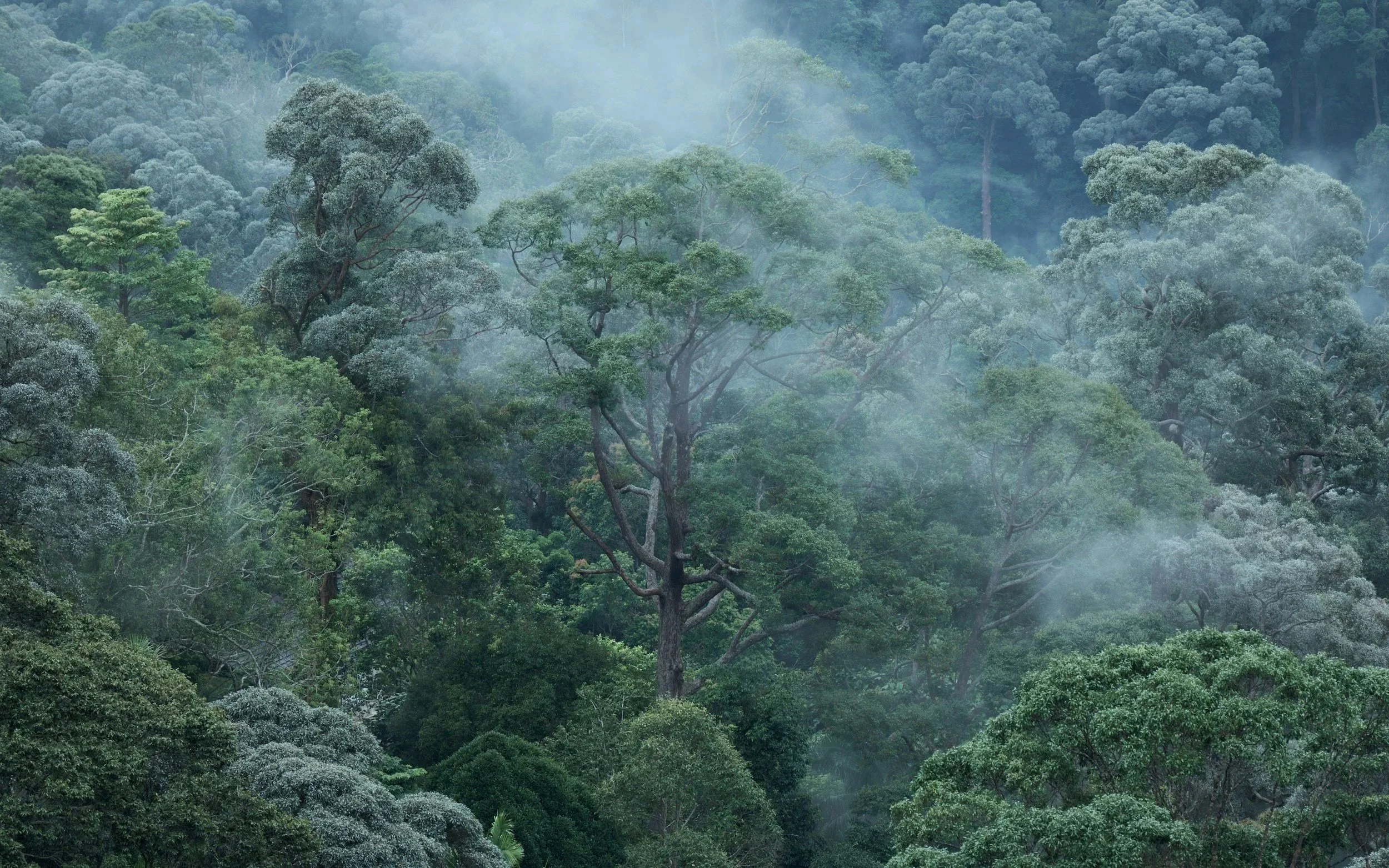
Malaysian rainforest
