Eat First, Regret Never: A Traveller’s Guide to Food in India
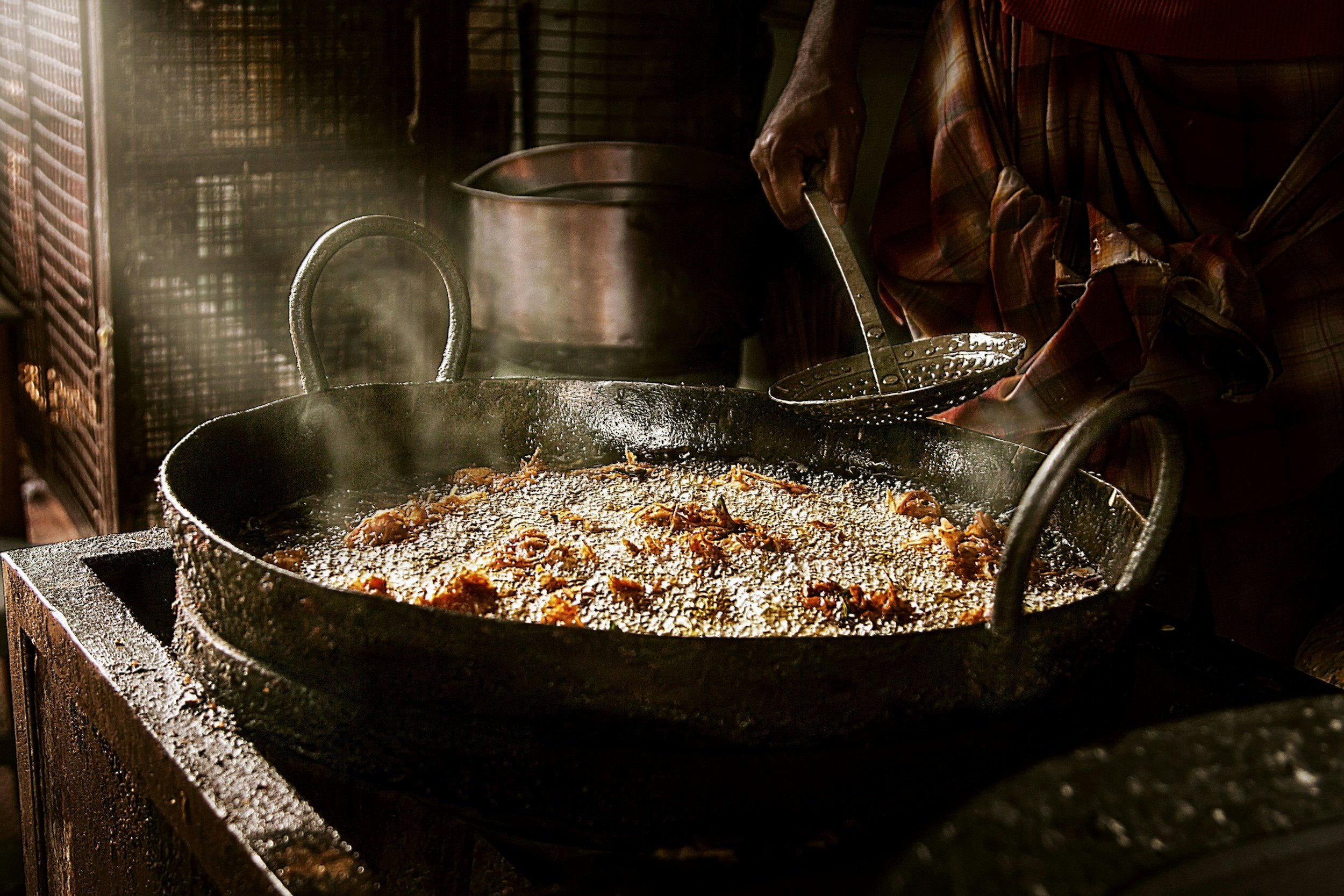
Eating in India can be a difficult endeavour for the common traveller. For both experienced and inexperienced travellers, it can feel like a challenge. Finding food is the easy part. Unlike for our hunter-gatherer ancestors, in India, food awaits at every corner. The real challenge is knowing what to eat, where to eat it, and most importantly, whether it is safe to eat.
It is common knowledge that whoever ventures through India takes the risk of having their trip spoiled by an upset gut. It happened to me in Jaipur. It happened to my husband too, who comes from a neighbouring country and thought he was immune. In the end, a raw-milk kulfi (milk ice-cream and nuts) bought from a popular ice-cream parlour in Amritsar landed him with salmonella for ten days before we found a doctor, who had to give him an injection in his butt cheek.
The end result: him with a sore ass, and never being able to have one of his favourite treats ever again.
Needless to say, had we not gone to get him checked out, the outcome could have been far worse.
This is why it is important to do a little research before you set off on your travels. You do not need to eat only at fancy restaurants, and you definitely do not need to stop yourself from enjoying the delicacies of Indian street food. But taking extra care with what you eat can help you have a great time, save you a slightly humiliating moment at the local dispensary, and allow you to taste some of the most incredible flavours in the world.
Tap Water: Boil It First
Surprisingly, you can drink tap water in India, but I would not drink it straight from the tap. It has to be boiled.
There is no need for a fancy water bottle or an expensive filtering straw. If possible, book a hotel that has a tea station in your room with a kettle, then boil the water twice. If there is no kettle in the room, ask reception for one or check whether there is one in a common area. Some hotels will also provide filtered water or bottled water, which always comes in handy.
You can also kindly ask the kitchen to boil a pot of water for you. This is how many people in India make water drinkable at home.
Once boiled, let the water cool overnight, or drink it hot if you prefer, and you are ready to go.
Chai, Chai, Chai
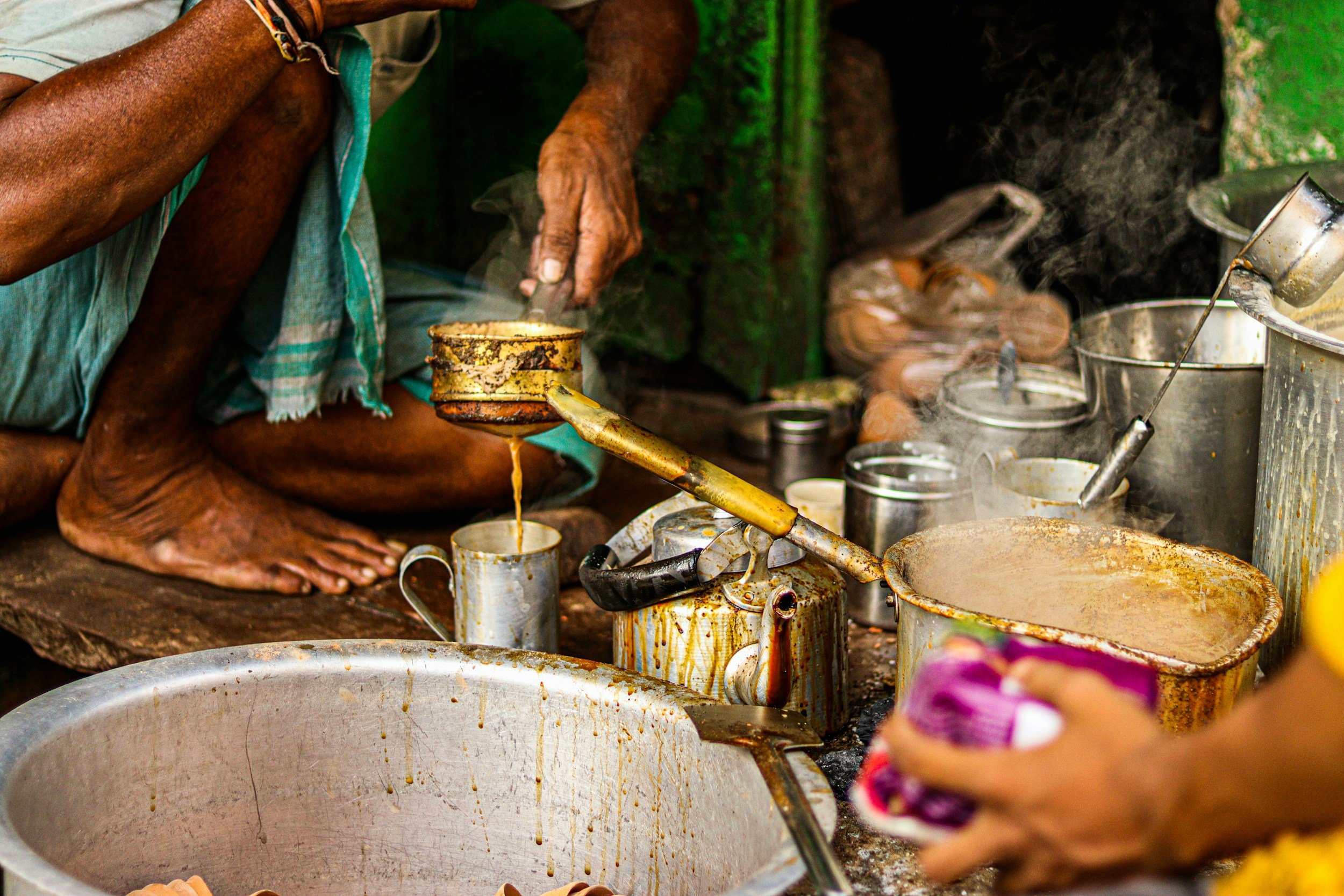
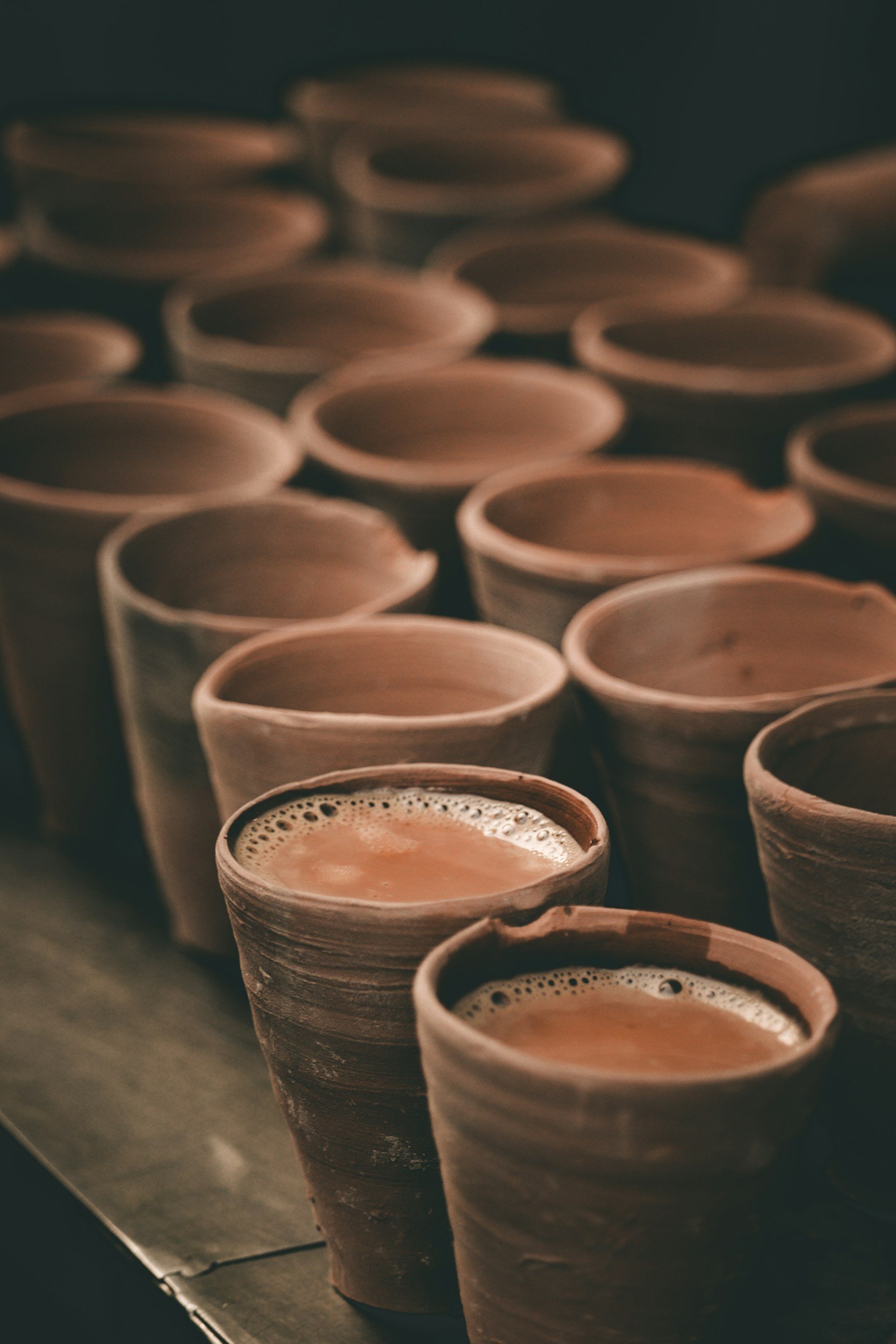
In my house, we are obsessed with chai.
Chaiwallas, or tea sellers, are everywhere. Chai is black tea boiled with milk, masala spices, and heaps of sugar. For 10 rupees, probably more now with inflation, you get a comforting, soothing, and energising drink.
You will find chai everywhere: on trains, on buses, in offices, on the streets, at the barber, and during your shopping. Tea porters even climb onto moving trains to sell it to travellers. Chai is not just a drink in India. It is part of the rhythm of daily life.
I went to Delhi in the heat and again in winter, and somehow chai managed to feel both warming and cooling.
The stalls might give you a fright at first. Do not be scared of the big teapot that looks like it has been used non-stop and unwashed for the past few years. It probably has and maybe that is exactly why chai in India has such a unique taste that cannot be replicated elsewhere. The patina in the pot, honed by many, many litres of chai, is almost as important as the ingredients.
The first thing I do as soon as I land in India is drop my bags and go for chai, no matter the time of day or night.
Also, chai means tea. Therefore, “chai tea”, as some call it in the West, means “tea tea.”
Eat Hot
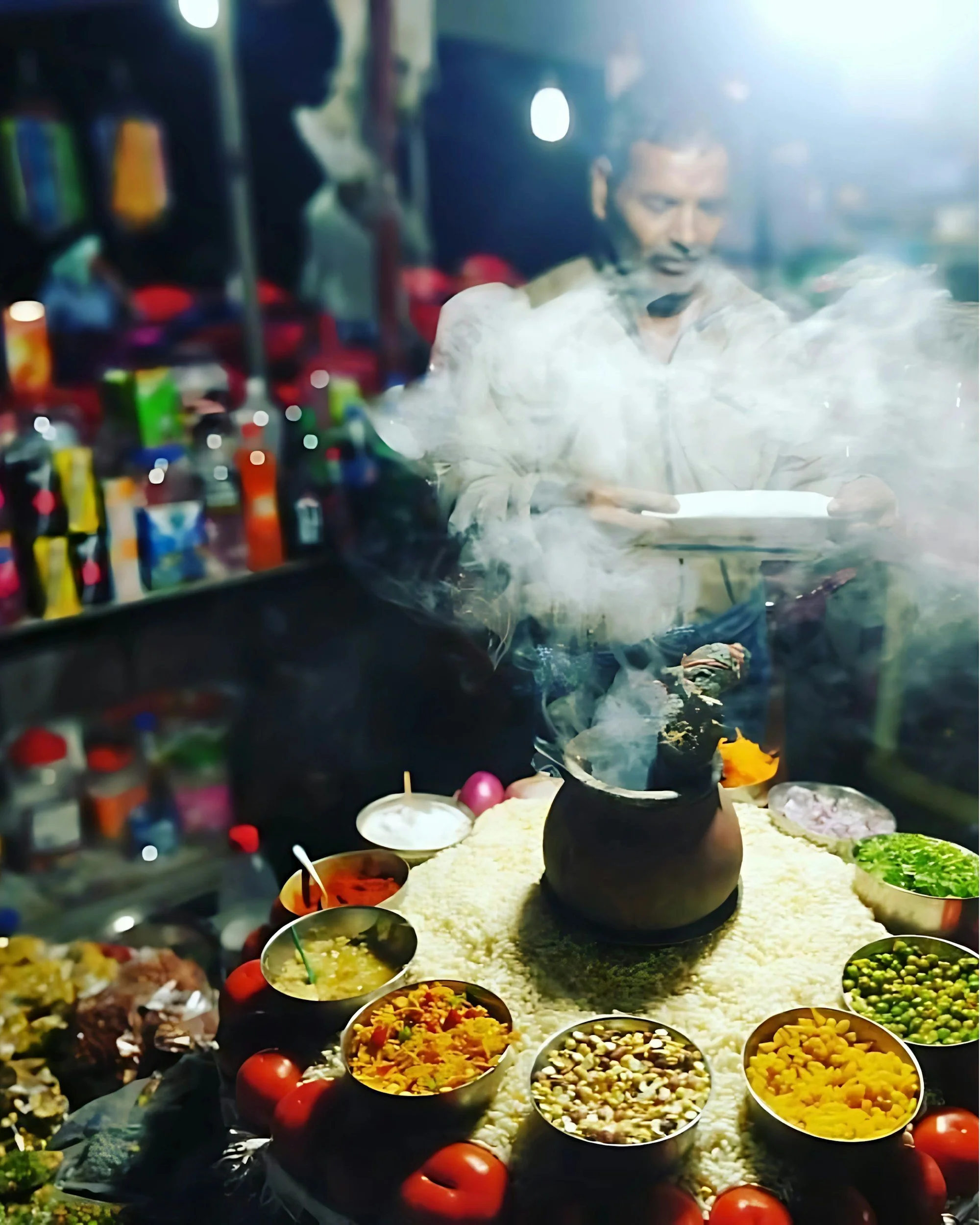
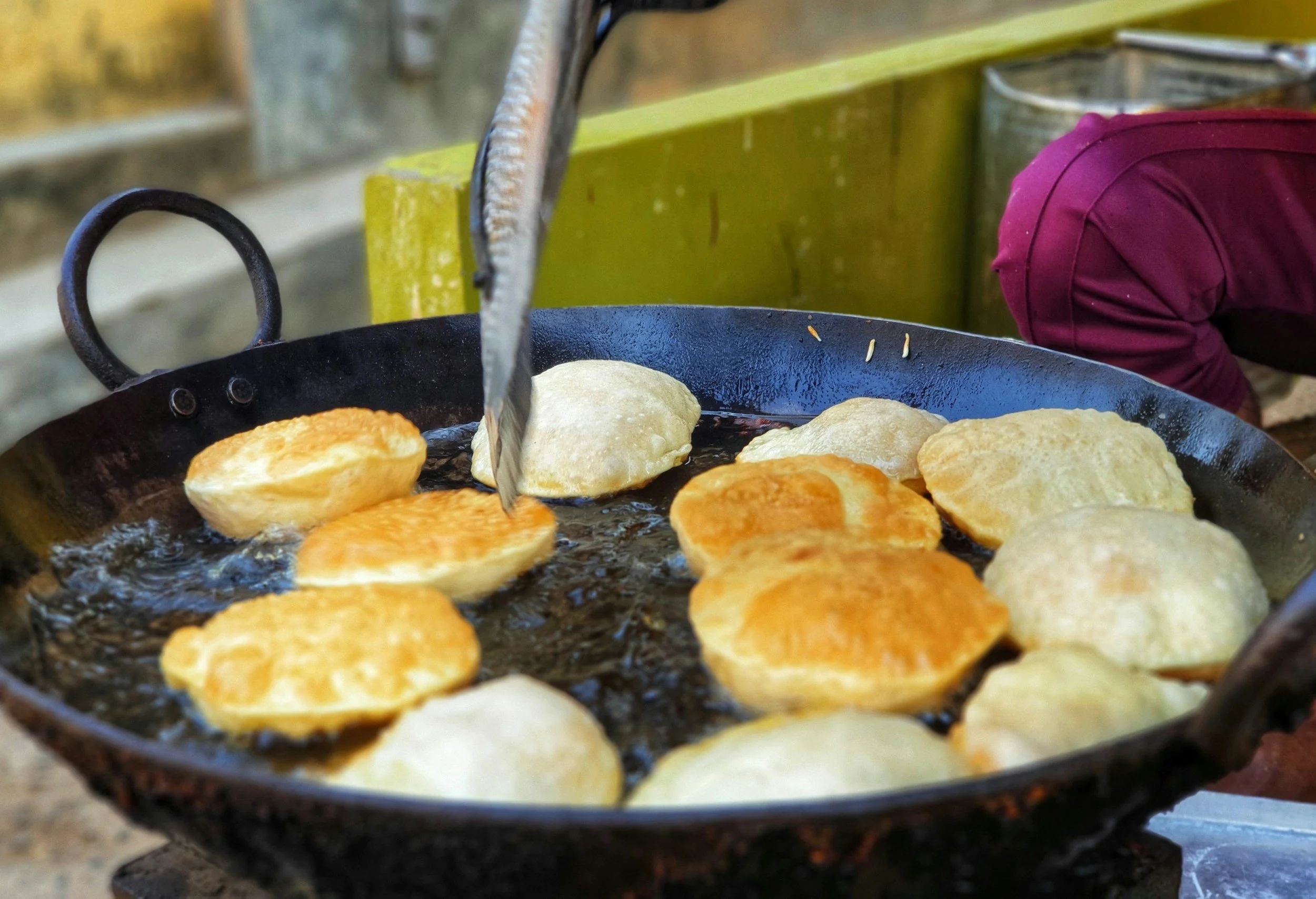
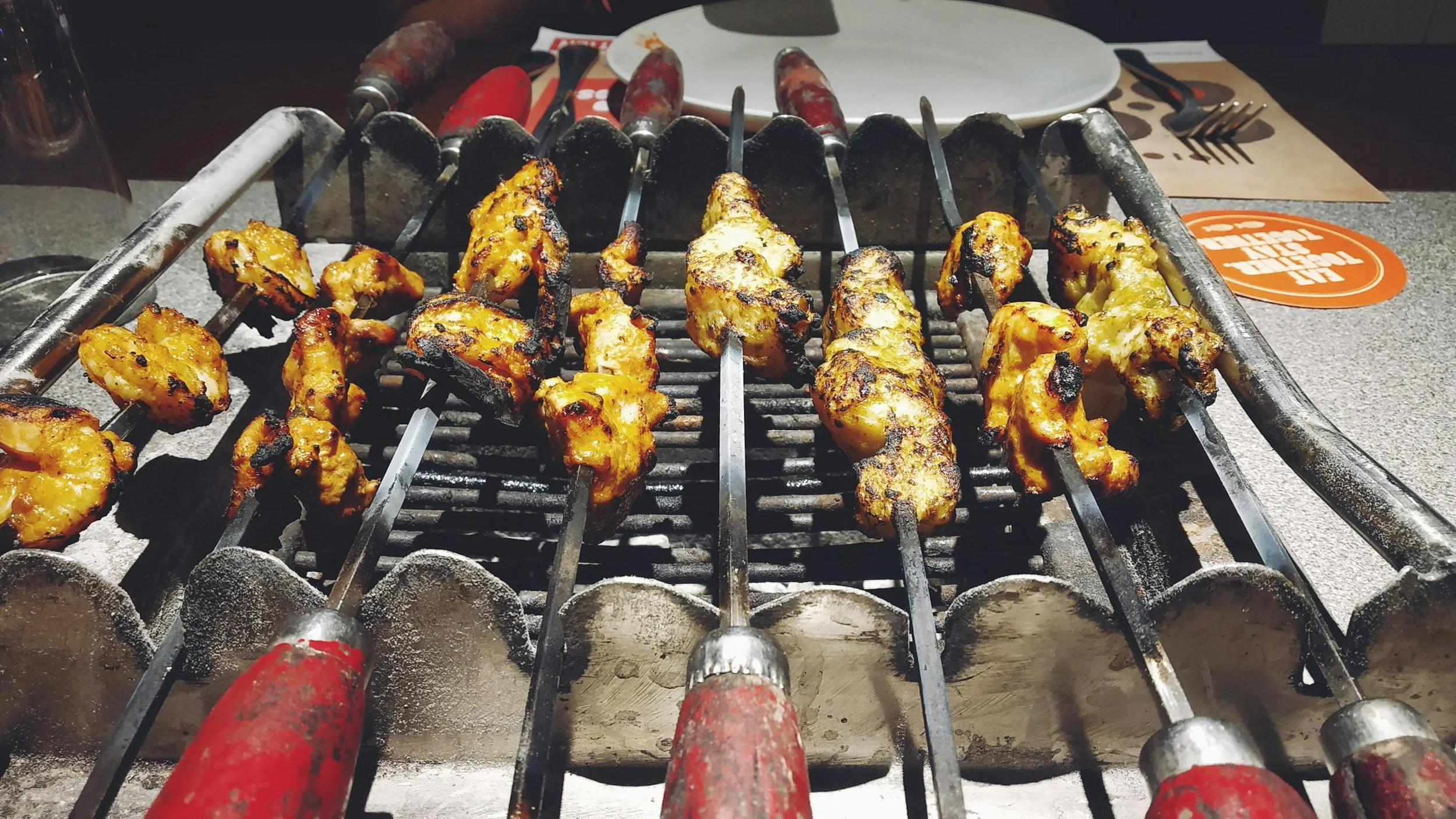
This is the advice I give to anyone who asks me how I ate in India: if it is hot, you can usually go for it.
Anything that has been boiled, cooked, fried, grilled, or baked fresh is generally a safer choice. So yes, go for the jalebis, the samosas, the curries, the naans, and all the glorious hot snacks calling your name from every corner.
Sweets from sweet shops can also be a good option, especially when they are made fresh. Sugar and milk are often boiled for a long time before being moulded into sweets.
But if something is cold, raw, watery or uncooked, I tend to stay away from it. Salads, sauces, chutneys, pani puri, raw vegetables and anything with a watery consistency can be risky, especially from a street stall. The reason is simple: you cannot always know whether the water used to wash or prepare those items was purified.
If you need an ice-cream treat, buy it pre-packaged from a recognised brand. Unless it is a trusted brand or a very clean establishment, some ice-cream parlours may use raw or unpasteurised milk, which can be dangerous for a traveller’s body.
Do Not Get Fooled by the Queue Trick
Before my first trip to India, a great many people gave me the same advice: “If there is a queue of locals, it’s safe. Eat where the locals eat.”
It was some of the worst advice I was given.
People who live in India are often used to the local food, water, and bacteria in a way that travellers simply are not. Believe it or not, a pav bhaji nearly ended me, while the Indian friend I ate it with was absolutely fine. So following a crowd of locals to a stall or restaurant is not always the wisest decision.
When you are travelling, your body is more sensitive to aches, infections, and unfamiliar food. You are in an unknown environment. Your brain is processing new information, customs, maps, people, noise, smells and currency. Your body is tired from uncomfortable train journeys, short nights and a demanding schedule. It is constantly adapting to new surroundings and using energy reserves just to keep up.
So when in doubt, choose something else or go somewhere else. I would not advise gambling on food just because it might be alright.
Trust me, it probably will not be.
A Seat Is Worth Your Health
If the place you want to eat at has seating, I usually take that as a good sign. It is not a guarantee, of course, but in my experience, places with proper seating tend to feel safer and more organised than a random stall on the street.
I would still keep my boiled water close and avoid the water served at the table unless I know it is filtered or bottled. It is also worth noting that many places serve food on stainless steel plates and drinks in stainless steel cups, which are hygienic, durable and eco-friendly. In the South of India, you will find banana leaves instead.
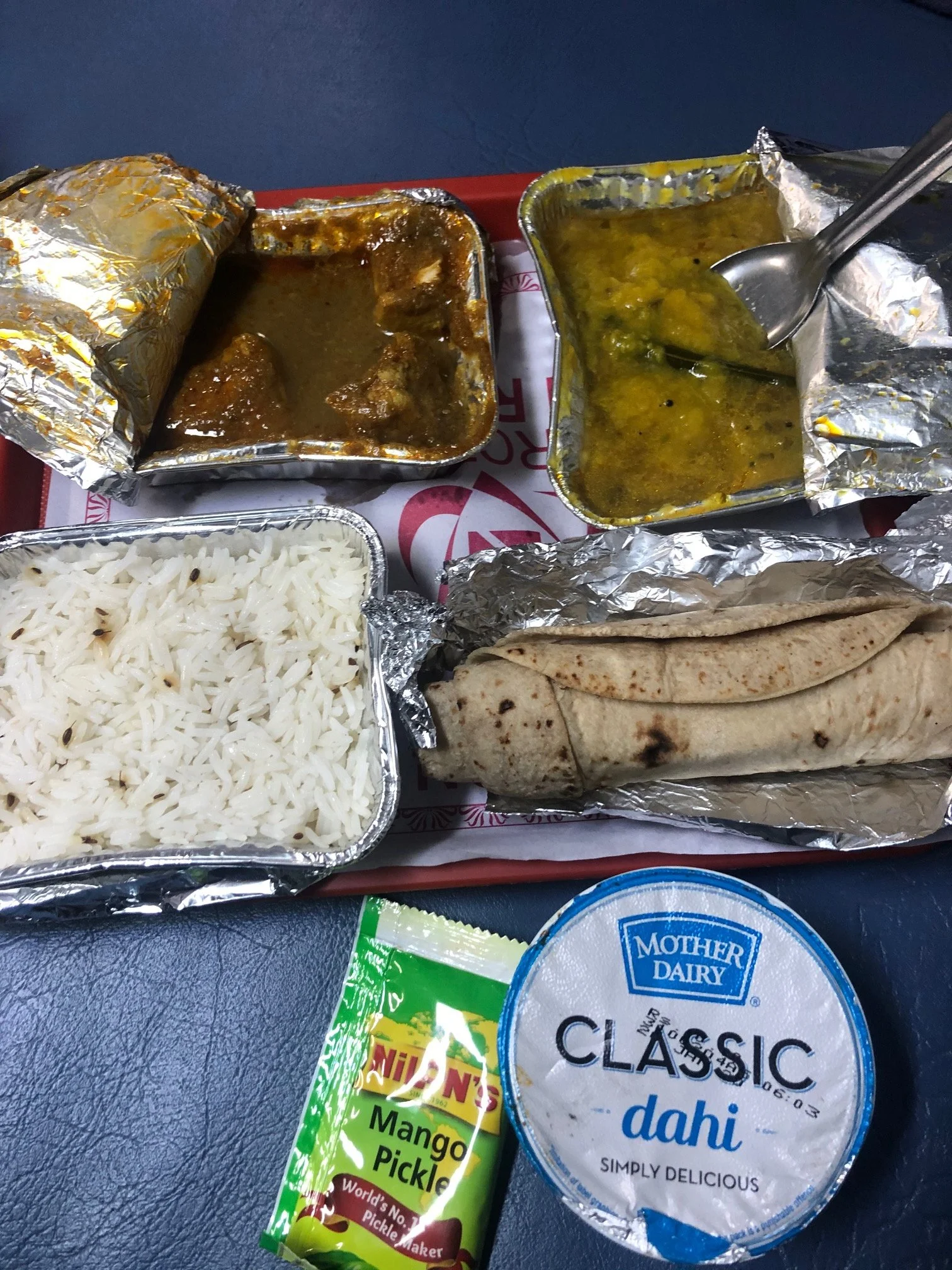
Another place where seating becomes part of the food experience is on a train. Most long and overnight train journeys include a meal or two, sometimes even three if the journey is very long. My train journey from Mumbai to Delhi included dinner, breakfast, and a snack. And let me tell you now: the food was incredible.
It was freshly made before the caterers brought it onto the train. You usually have a choice between a veg or non-veg meal. In India, “non-veg” means you eat meat. You will most likely have to say that you eat meat, rather than say that you do not, as we often do in the West.
Train journeys were by far some of my favourite experiences in India. Other passengers may offer you food too, and while such kindness is beautiful and can open the door to a genuine cultural exchange, I personally advise being careful. If your stomach is sensitive, it is completely fine to politely decline.
So, What Should You Eat?
Here are some of the dishes, snacks, and drinks I recommend trying. These are the things I have personally enjoyed and often recommend to other travellers.
Lassi: Choose a clean establishment, but lassi is usually a wonderful treat. It is made with yoghurt, and it is cooling, creamy, and delicious.
Stuffed Kashmiri Dum Aloo: By far one of the best dishes I had in Jaisalmer. It is made with potatoes stuffed with cheese (paneer) and nuts, then cooked in a rich, spiced gravy.
Black Dal: Black lentils and kidney beans slowly cooked with ghee, butter, and spices until rich, creamy, and deeply comforting.
Aloo Paratha: A paratha is a thin, flaky flatbread, and this one is stuffed with mashed masala potatoes. Dip it in black dal and you will understand true happiness. The one from Punjabi establishments are the best. Look for Sikh men, recognisable by their turban.
Butter Chai: I travelled to Dharamshala in October, and butter chai was a godsend. Simply put, it is chai with ghee (clarified butter) or creamy butter in it. The temperatures can get very cold in Himachal Pradesh, and a buttery, creamy chai is exactly what you need to brave the chill. People living in colder areas often drink it. Bear in mind that in some regions, chai may come with butter unless you say otherwise.
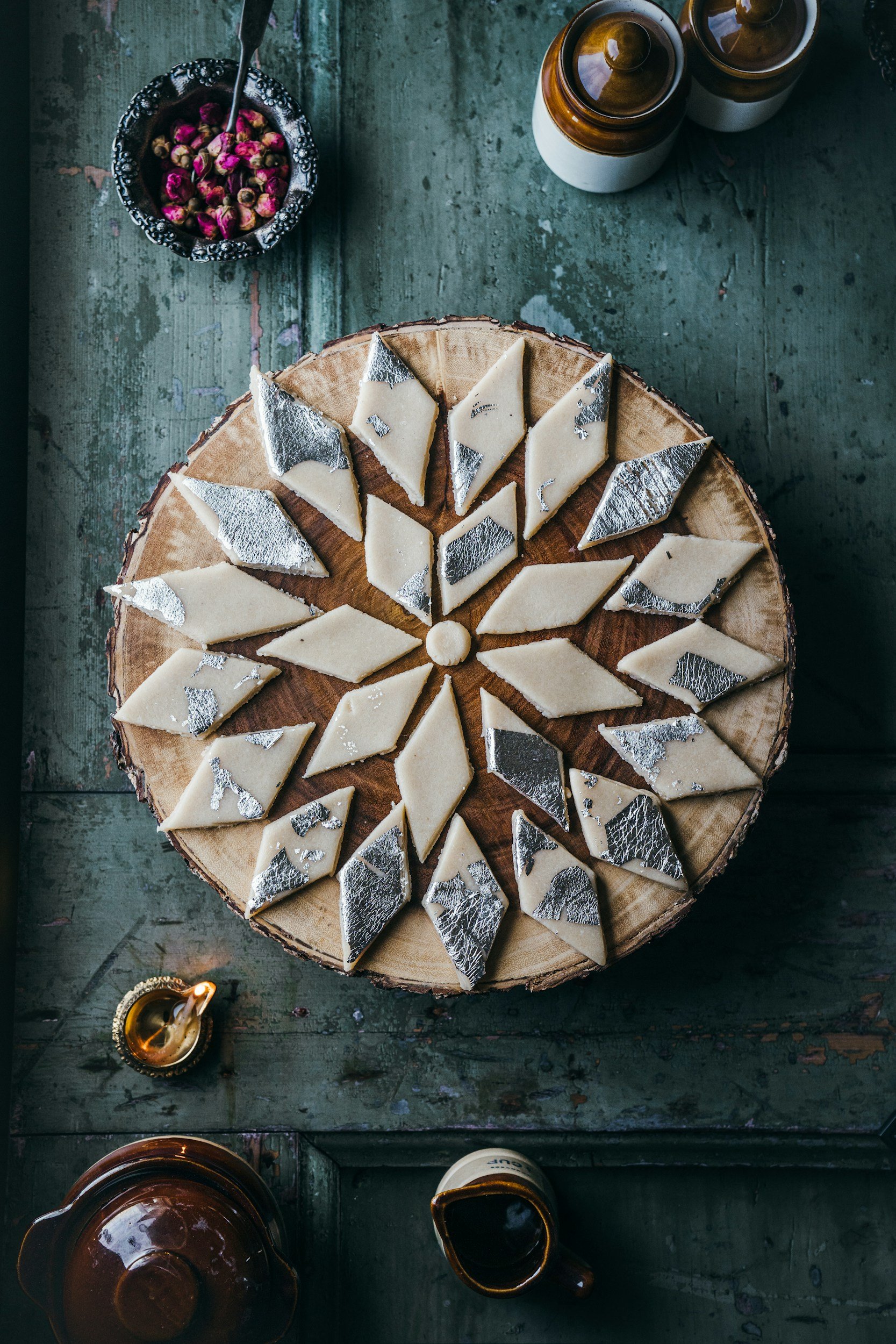
Kaju Katli:Kaju is the Hindi word for cashew nut. Kaju katli is a sweet made with cashew, sugar, saffron and ghee. It is usually cut into diamond shapes and often covered with edible silver foil.
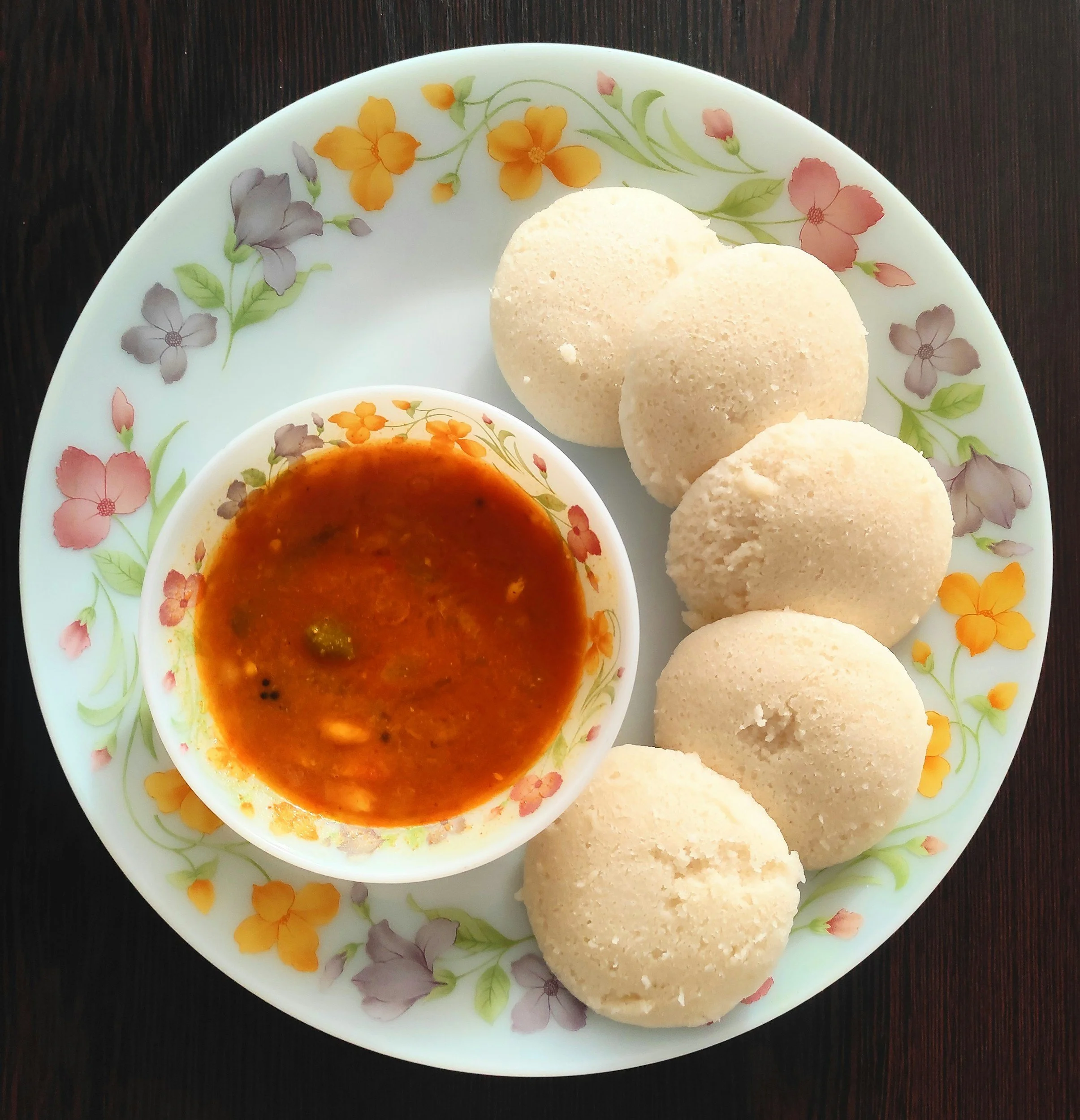
Idli: In my opinion, one of the best breakfast items. Idli is a steamed rice cake, often served with chutneys and sambar. If you are lucky, it may come on a banana leaf in proper South Indian fashion.
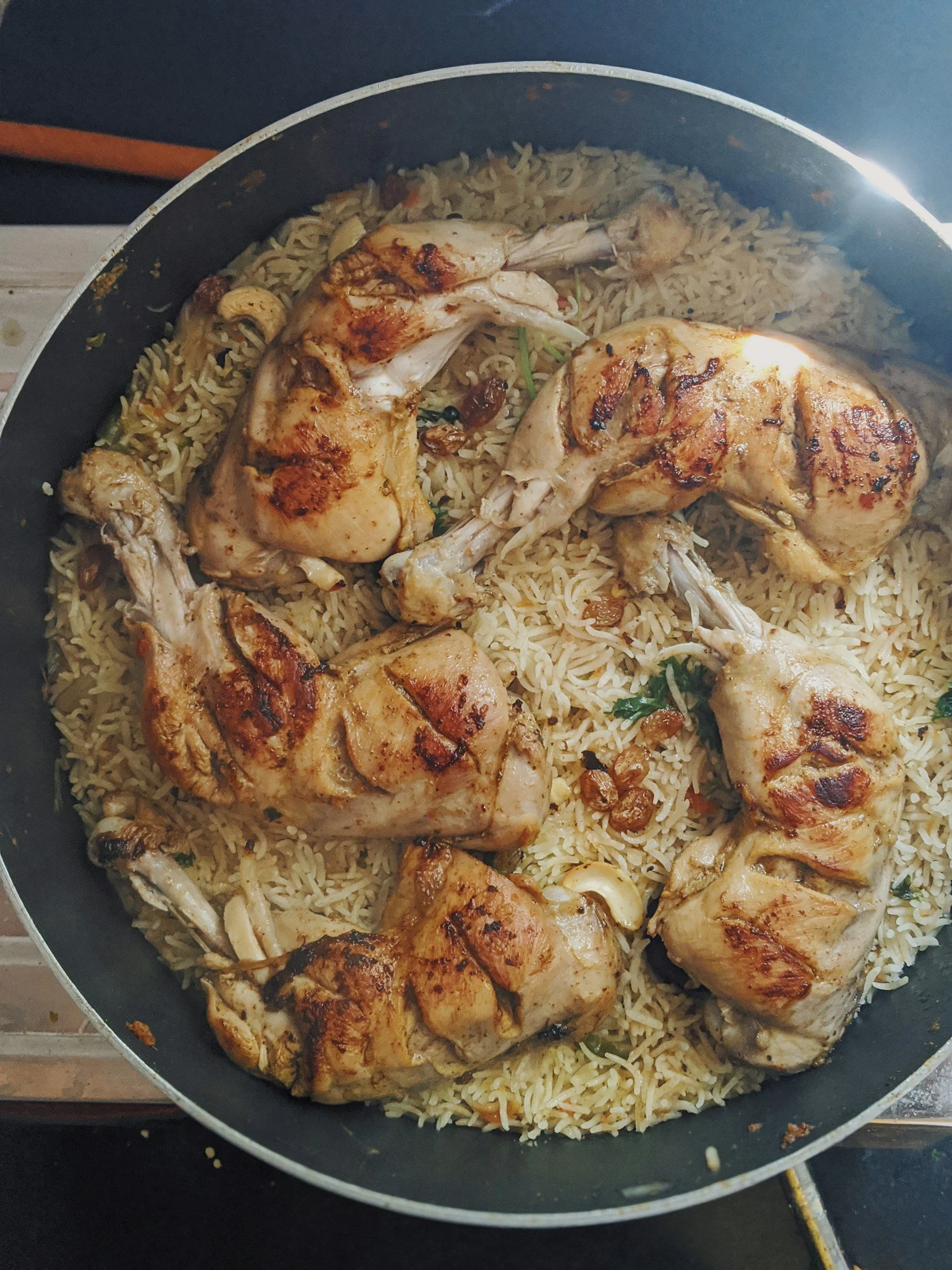
Biryani: India is known to have dozens of different styles of biryani. The Delhi chicken biryani with dried raisins, apricots and nuts remains my favourite. Biryani was inherited and shaped through Mughal influence, then popularised and adapted across India.
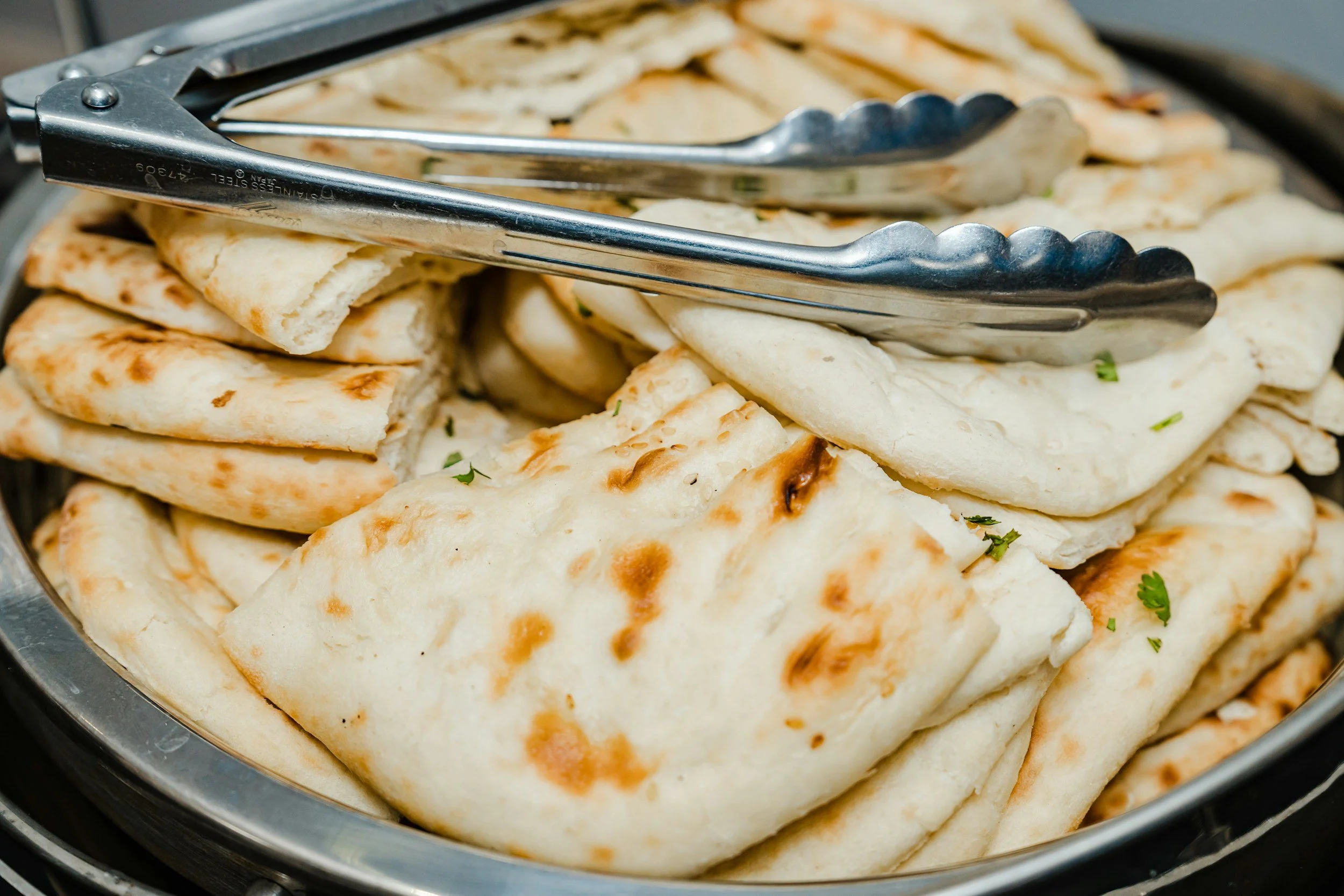
Any and all types of bread: Nothing beats fresh naan straight out of a tandoor oven with a cup of chai, even in the Indian heat.
Limca: One of the most refreshing lemon drinks. It is bottled, sealed, sweet, fizzy and very safe to drink. It is exactly the kind of cold drink you want after walking through India’s heat and chaos.
Pickles: There are many different kinds of pickles in India, but my favourites are definitely mango pickles.
These are my main recommendations, and I have given them to every single person I know who has travelled to India. Follow them and you should be fine. Ignore them, and you might find yourself with a needle bouncing off your rear at some point during your trip.
That is not to say that any trip to India is doomed. On the contrary, I urge everyone to go and experience some of the best food in the world. India is generous, delicious, colourful, chaotic and unforgettable. You just need to eat with joy and a little bit of caution.
What you should know before tucking in
There is an etiquette to Indian cuisine and some rules to bear in mind.
No beef: the cow is a sacred animal in India, roaming free on the streets. It is legally restricted.
No pork: there is a large muslim population in India hence restriction on pork. That said, I have never found pork even in Hindu restaurants or area only. A lot of the population consider it unclean and therefore do not eat it.
Eating with your fingers: most folk eat with their fingers which is very normal in South Asia to do. Just look at how the locals do and tempt it. Try to use your right hand only. If not, a spoon/fork can be provided.
Alcohol: it is frowned upon to drink publicly.
Veg/Non-Veg: 40% of Indians are vegetarians due to religious beliefs. It might be difficult at times to find some protein.
Spices: Of course, India is known for its spices. The South tends to be a bit spicier than the North. Some spices are not going to leave you in a hot and fiery mess and will just be used to bring out flavours. If you happen to be in Tamil Nadu, Kerala or around Goa, I wish you luck.
Here are some of my favourite places, personally tested:
Mumbai: Bagdadi Restaurant, right behind the Taj.
Delhi: Moti Mahal and Burger Singh.
Jodhpur: Shahi Samosa and Shri Mishrilal Hotel, where I had some of the best lassis.
Jaisalmer: No particular place, but if you can get your hands on stuffed Kashmiri dum aloo, run for it.
Various locations: Haldiram’s. It is a sweet and snack shop, but they also serve hot dishes.
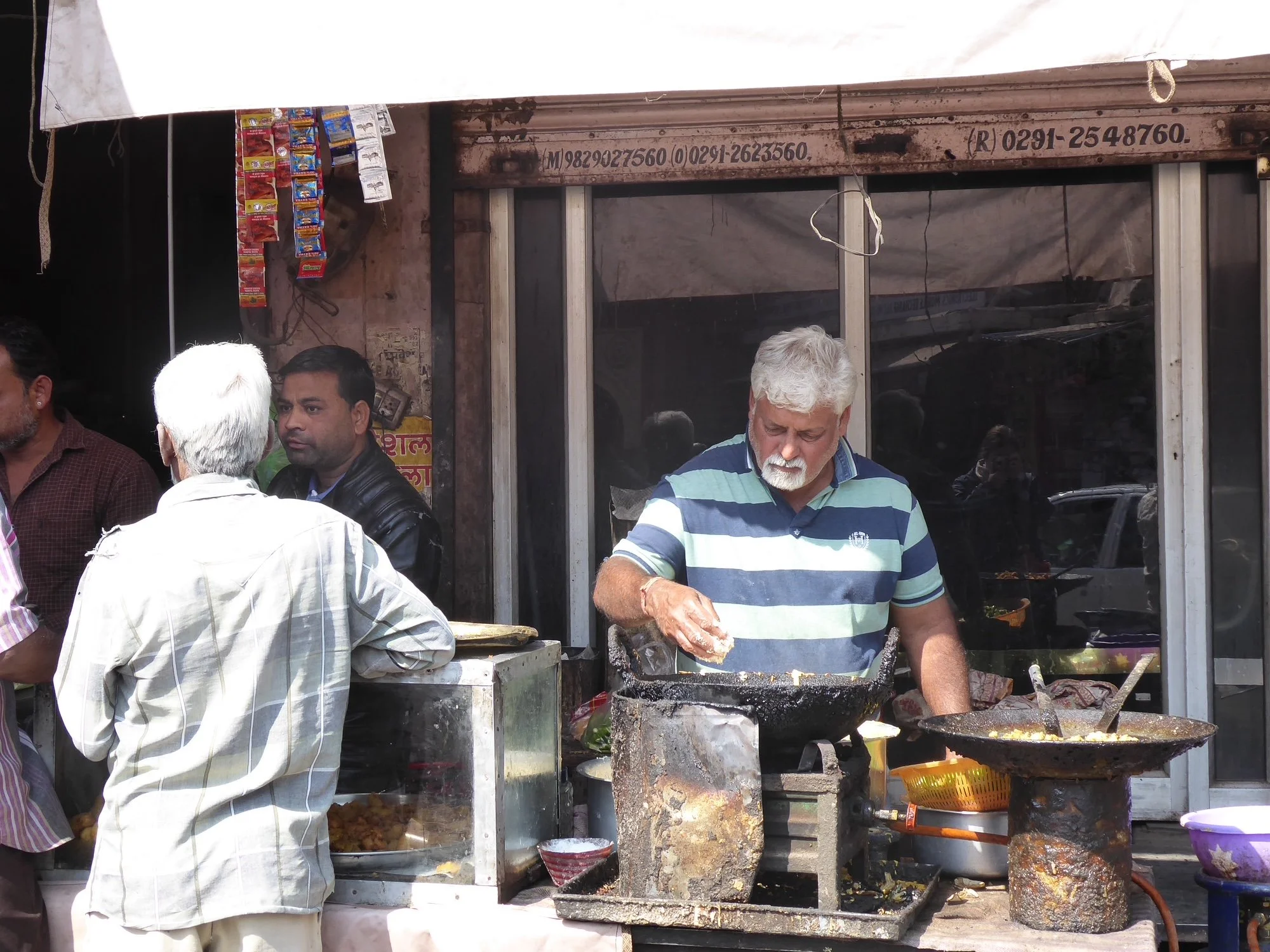
India will feed you everywhere. It will tempt you from every corner, every platform, every roadside stall, and every market. Be curious, be sensible, eat hot, drink chai and leave room for surprises.
