Travelogue: The time I found myself in the middle of a majiangguan
Mahjong tiles
The scene was as follows.
My partner and I decided to go for a late evening snack (7-Eleven obliged). To get said snack, we left our hotel in Guilin, Guangxi province, China, and took a stroll around. The streets weren’t very busy, but street stalls and vendors were still providing dinner. The rest of the neighbourhood had closed up shop for the night.
There is nothing more immersive than taking a walk in an unassuming part of town and seeing how locals live. So, we naturally decided to go through the side streets of town. We walked for a time along the dark street pavements. It was deserted, badly lit and, quite frankly, boring.
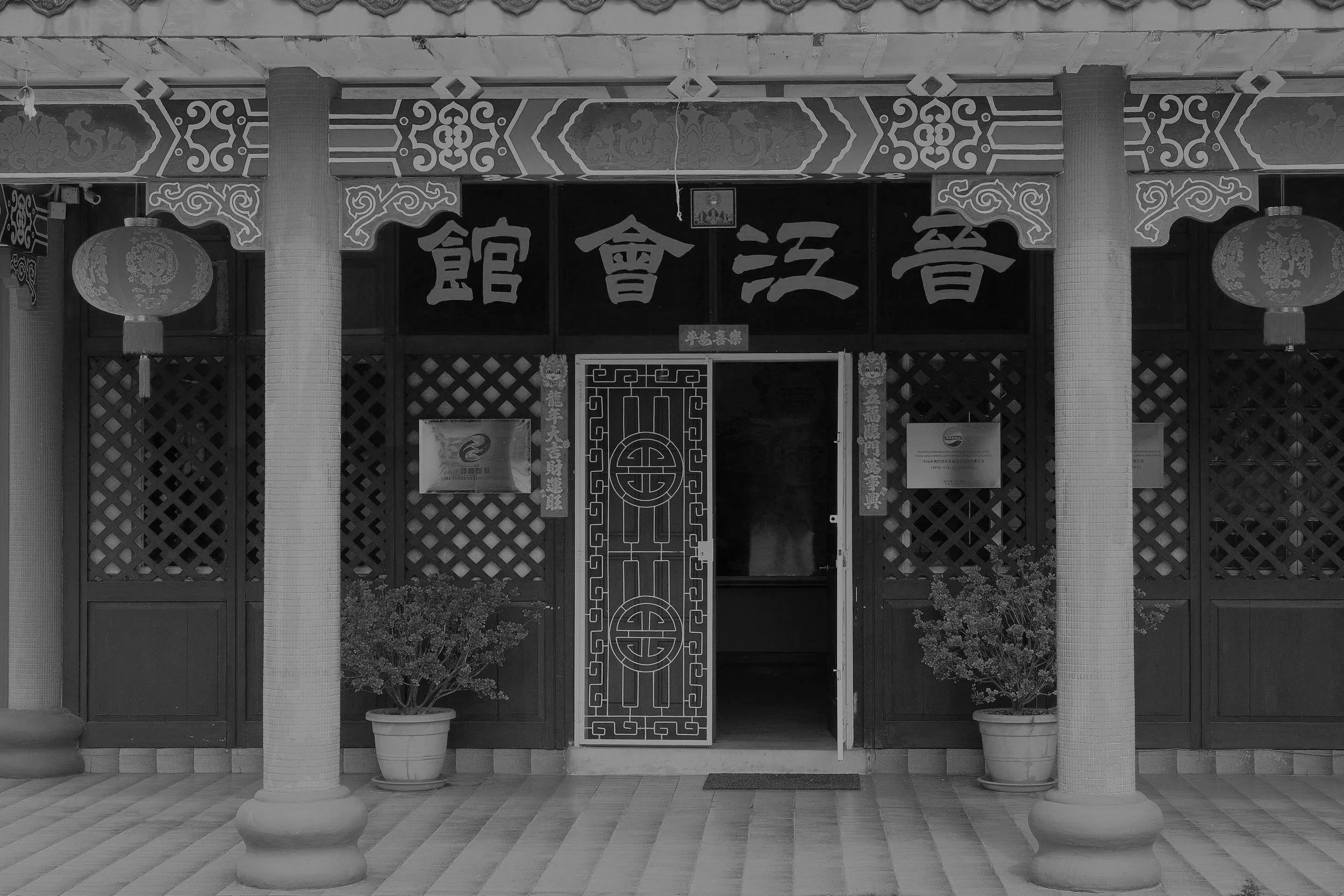
Though a little further ahead, some light shone on the front steps of a raised house with pillars and wooden lattice panels. Two red lanterns, unlit, were hanging from the porch ceiling. As we passed through the light, we turned our heads towards it. Utter disbelief coursed through us.
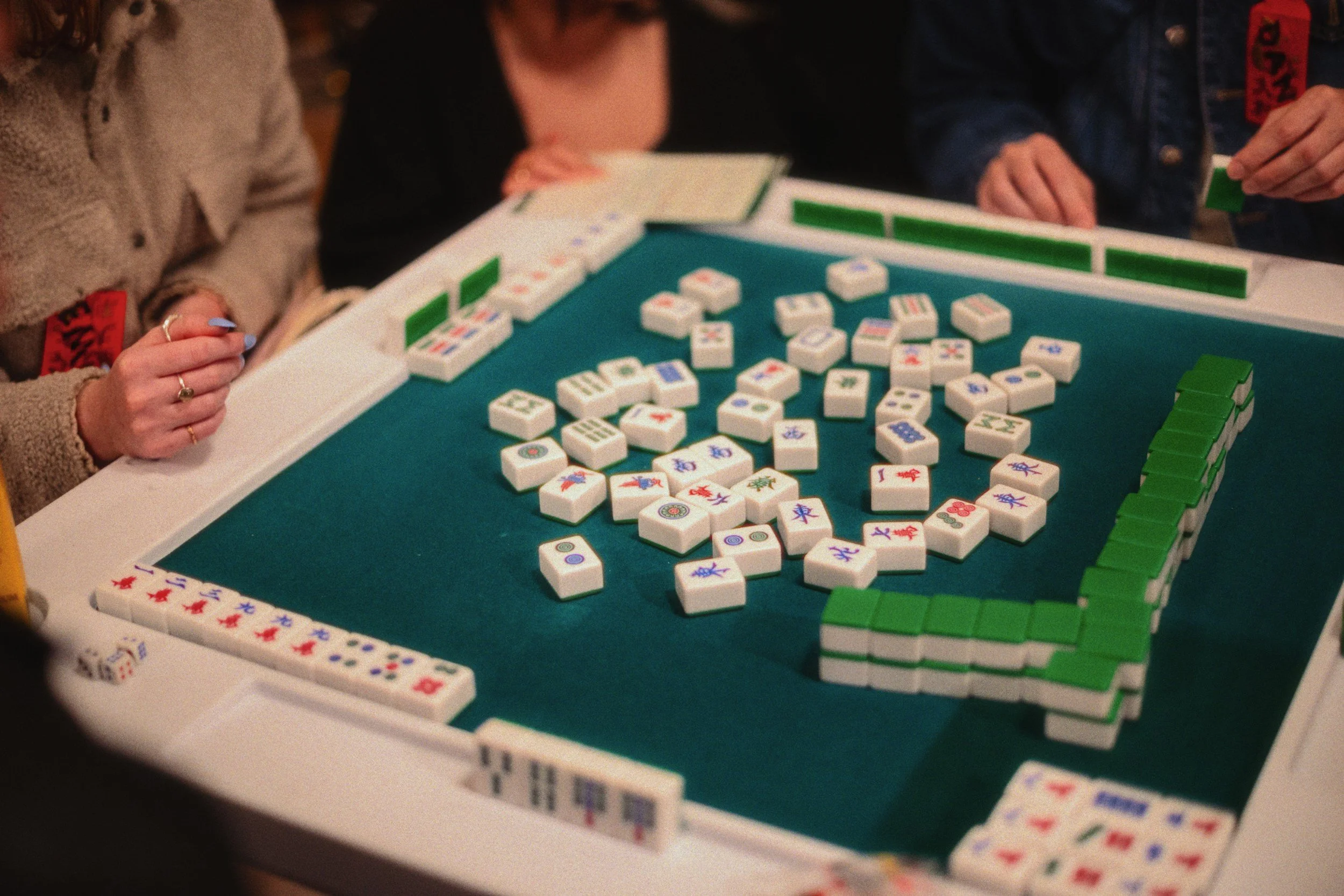
Through the door, left open to catch the evening breeze and let out the fumes and tendrils of smoke, the most improbable scene played out in front of us. A dozen square, felt-covered tables had been set up, with about four elderly people around each of them. Others sat around them or stood, contemplating the game unfolding. On the tables themselves were gathered phones, cigarettes, ashtrays, drinks, teacups and Mahjong tiles.
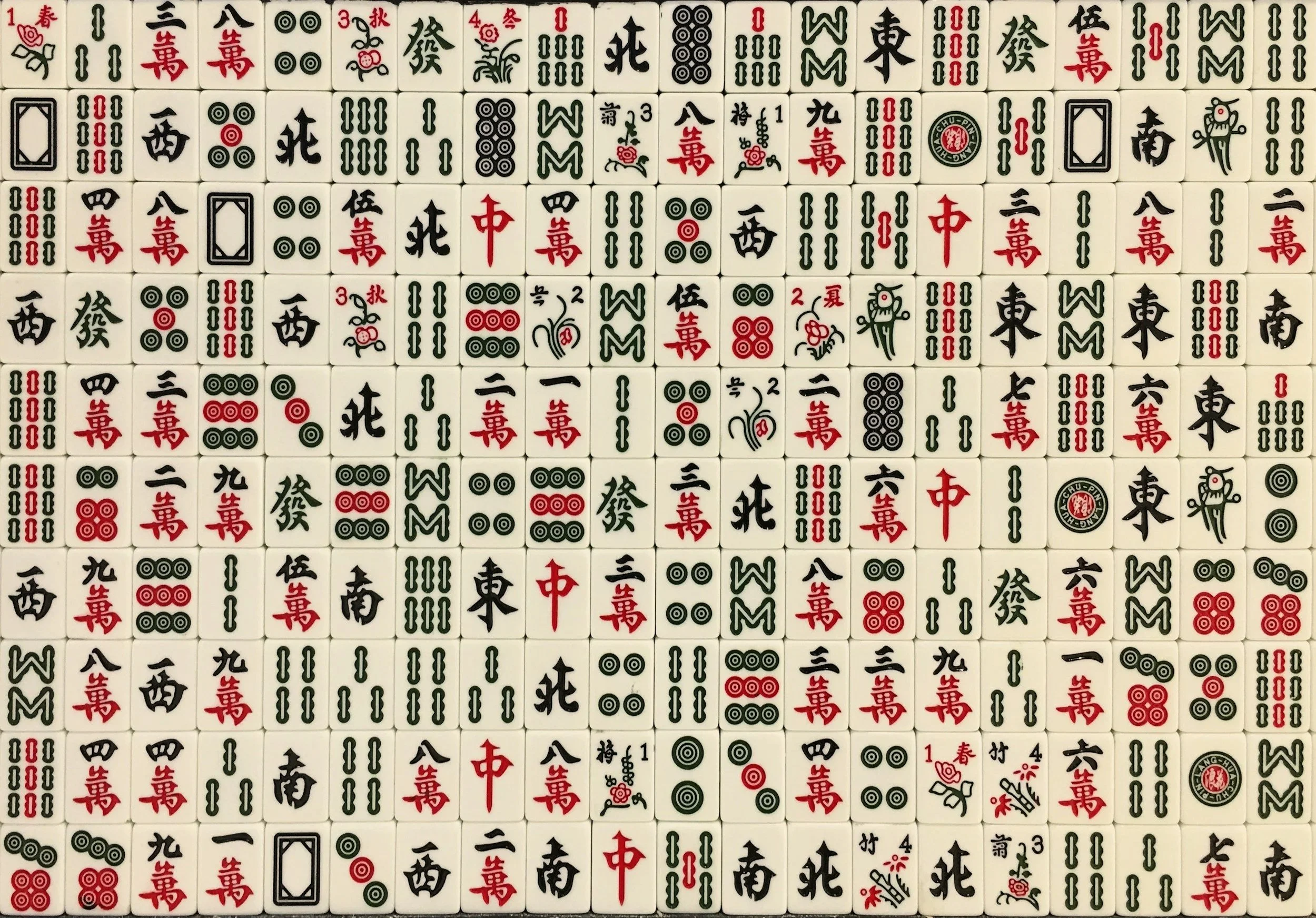
Countless green and white tiles passed from hand to hand at unnerving speed, set on the tables face down but green side up, or face up, showing intricate details of Chinese characters, flowers, bamboo or circles. The bright white light came from industrial bulbs hung from the ceiling. Above the tables and the many heads within the rather small enclosed space hung a giant cloud of cigarette smoke, a reminder that indoor smoking is tolerated in China. The air was suffocating and heavy, as if with every puff of smoke exhaled, strategic moves were being made to win the game.
Most importantly, many pairs of eyes were intensely fixed on my partner and me as we watched, flabbergasted, this event unfold. We had just landed in the middle of a majiangguan. Jackie Chan could have sprung out at any moment from a 1990s movie and challenged the malevolent den owner to a karate fight.
A majiangguan is a Mahjong parlour. Mahjong is a tile game that developed in China during the late Qing dynasty and is very popular in China, Hong Kong, Singapore, Taiwan, Korea and Vietnam. It is a strategic game that consists of besting your three other opponents by drawing and discarding tiles at the centre of the table to form a winning hand.
Tiles clattered down the tables, their noises muffled by the felt layers on them and against each other. All of this happened amid the many voices going around the room. Though we were quite stricken by what was happening and by the many people looking at us, we couldn’t resist looking at one another and smiling. The elderly people who were closest to us looked at us for a few more seconds and returned to their games, the distraction deemed no longer of importance compared with the interest of the game and its stakes: the win.
All of them returned to being focused just a few minutes after we burst in. The non-players sometimes spared us a glance and yelled things in Mandarin, which my partner could understand and said were simply expressions of curiosity as to how we happened to be there.
I was simply mesmerised. I could not tell you exactly what this gathering was. I should say it was most likely a licensed club. Simply older people who seemed to enjoy time together at the height of their retirement. Mainland China does prohibit gambling activities related to games within its borders, except in Macau, the former Portuguese casino city.
We then left, back in search of our snacks, which ended up being candied plums from a nearby store and osmanthus sweets. To this day, we look back fondly on that moment that lasted only a mere few minutes, and on how we got to see some of the quintessence of Chinese culture that we would not have witnessed anywhere else, even less so at a busy tourist site. Instead, this was ordinary life.